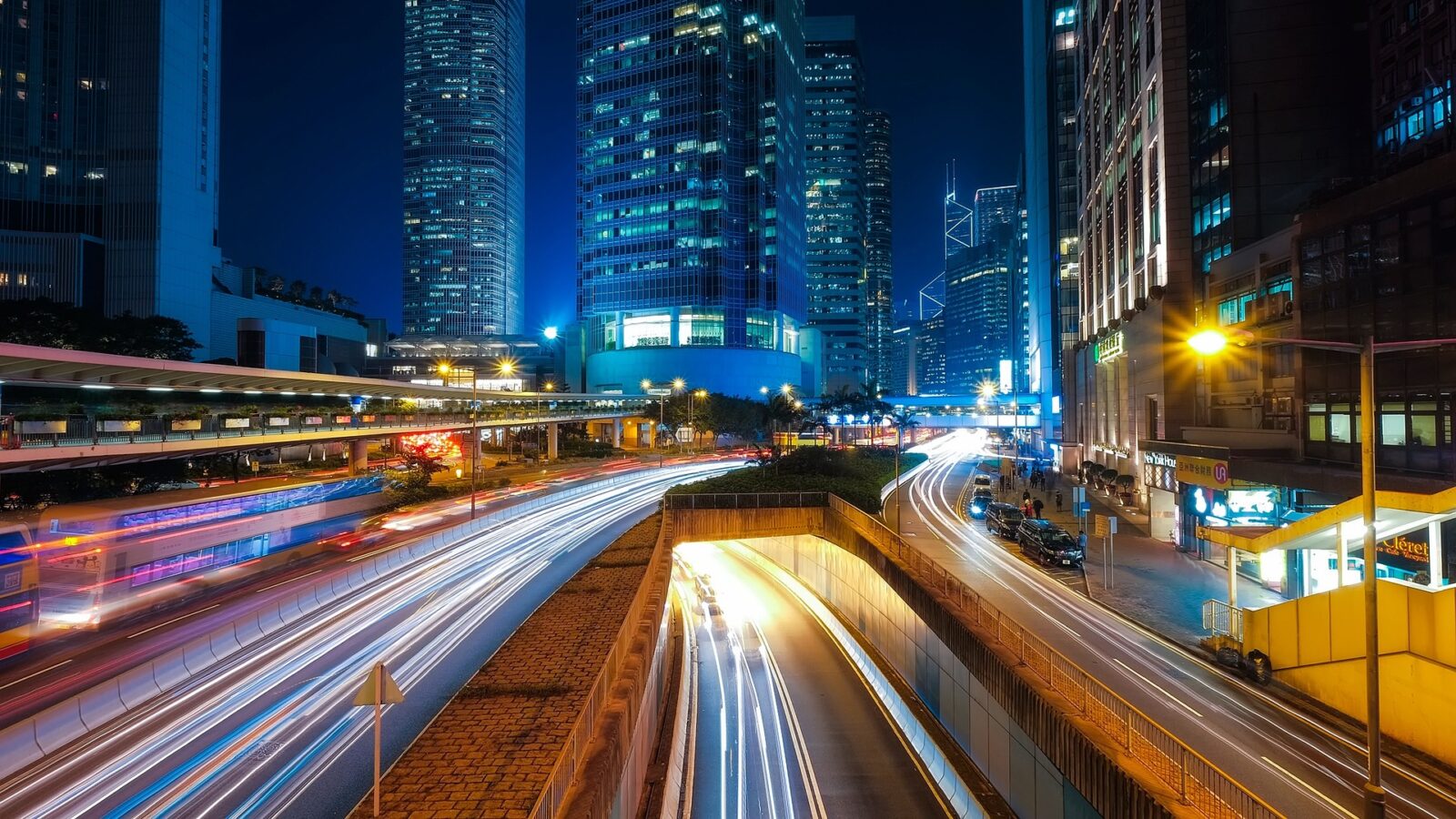
CITY FOOD MATTERS - HONG KONG
Workplace and leisure insights covering both inbound visitors and the domestic market
HONG KONG'S WORK WEEK: CHA CHAAN TENGS, LUNCH SHOPS & MENU EVOLUTION
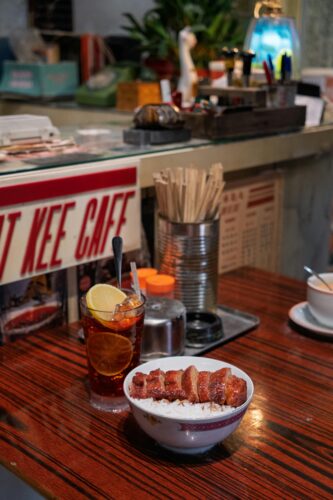
Hong Kong’s precincts, Central, Wanchai, Kowloon East, buzz with lunch rituals rooted in local diner culture. The city’s cha chaan tengs (tea restaurants) and lunch shops have historically been the backbone of office life, but now they’re also evolving.
These fast-service diners, serving pineapple buns, milk tea, French toast, macaroni in soup and baked pork chop rice, remain central to midday routines. Many locals still rely on them for efficiency, affordability, and cultural familiarity. However, rising rents and labour costs are closing or transforming older outlets. Restaurateurs across Central, Kowloon, and border areas describe “the most challenging trading environment for many years.”
Smaller “two-dish rice” shops are thriving, offering value, rapid turnover, and home-style flavours. Traditional shops are innovating: turning stir-fries into bento-box formats, adding premium proteins, upping veggie and wholegrain support – reflecting a desire for both speed and health consciousness.

HIGHS
- Heritage diners (e.g. Lan Fong Yuen, Bing Kee, Soul Kitchen) remain popular for their fusion charm and consistency.
- Tin Hau Food Square, with over 150 independent eateries, draws both workers and tourists, offering diversity and late-night options near offices.

LOWS
- Economic pressure prompts Hongkongers to dine across the border in Shenzhen.
- Some cha chaan tengs struggle to modernise and lose younger, health-conscious customers to contemporary cafés.

WHAT'S CHANGING
- Menu innovation: milk teas and bo-luo bao now sit alongside chia puddings, miso soups, and plant-based.
- Operational tweaks: morning and late-night menus are extended.
- Hybrid service: some diners now offer QR menus, counter ordering, and takeaway-only zones.
TREND
Efficiency + heritage
Menu for modernists
Rent & space pressure
Flexibility in hours
DESIGN & SERVICE CONSIDERATIONS
Preserve ambience while integrating digital ordering
Fit-out flexibility for health-driven and fusion prep
Small-footprint kiosks and curated food square strategies
Daypart zoning and extended operational infrastructure
INTERNATIONAL VISITORS: GLOBAL CONFIDENCE MEETS LOCAL FLAVOUR
 Hong Kong remains a premium business travel and MICE hub, but its post-2024 dining dynamics increasingly blend international consistency with nuanced local expression.
Business-class travel into Hong Kong grew by 19% year-on-year in 2024, the second-fastest rise in Asia-Pacific.
Major events like the Restaurant, Bar & Café Expo attract a discerning international crowd seeking both comfort and culinary credibility.
International guests still expect global reliability, steaks, sushi, Caesar salads, specialty coffee, but also increasingly respond to local cues. Health-forward menus and wellness items are now standard in hotels like Rosewood, JW Marriott, and Eaton Workshop, where local dishes appear in curated,
lighter formats.
The best venues are balancing international ease with local character:
- Bilingual menus
- Clearly labelled spice/dietary options
- Staff who guide, not overwhelm
- Pop-ups and chef-led tasting series that provide context without friction
- Rooftop lounges, lobby cafés and co-working hybrids (e.g. Dolce 88) now underpin the guest journey, not just the signature restaurant. These flexible spaces reflect guest rhythm, not just brand ambition.
INSIGHT
Global comfort + local taste
Cultural clarity
Flexible social infrastructure
Visible premium cues
Tech-enabled but human
APPLICATION
Three-tiered menus (familiar, wellness, local signature)
Signage, servers, menus that reduce friction without dumbing down
Day-to-night adaptable venues for meetings, rest, or casual connection
Open kitchens, tasting bars, chef-led engagement zones
Contactless payment + warm, intentional service
MAINLAND VISITORS: VALUE FOCUSED, FOOD-DRIVEN, BRIEF ENCOUNTERS
Mainland Chinese visitors remain Hong Kong’s most significant inbound market. In 2024, visitor volumes reached 34 million, up 27% year-on-year, but their
patterns are shifting fast. More than half now arrive as day-trippers, spending around HK$1,300 per visit (down from HK$2,400 in 2018). These “special forces” tourists compress city experiences into fast, functional loops – highlighting affordability, familiarity, and speed.
They still seek Hong Kong staples:
- Milk tea, egg tarts, pineapple buns
- Roast meats (char siu, goose)
- Two-dish rice combos
But they often skip higher-cost meals, and favour venues with short queues, visible authenticity, and TikTok appeal.
TREND
Budget-focused dining
Fast, flavourful experiences
Gen Z travel behaviour
Time-sensitive itineraries
F&B STRATEGY IMPLICATION
HK$50–HK$100 set meals and visible value
Menus with known dishes, quick service, open kitchens
Photogenic design and highly visual food prep
Spaces built for 10–20 minute dwell time and frequent customer turns
HOTELS IN THE MIDDLE: CAUGHT BETWEEN OCCASION AND FUNCTION
Luxury hotels are thriving, with properties like Rosewood, The Regent and Four Seasons doubling down on premium dining experiences. But mid-tier hotels face pressure from both above and below. High-spend guests expect story-led, wellness-integrated dining. Budget travellers, especially mainland visitors, often skip in-house options entirely. This leaves the middle tier exposed.
WHAT’S UNDER STRAIN
- Flexible F&B zones that rotate use by time
- 6–8 item core menus that change frequently
- Visual consistency between dining and brand tone
WHAT’S WORKING
- Flexible F&B zones that rotate use by time
- 6–8 item core menus that change frequently
- Visual consistency between dining and brand tone
CHALLENGE
Menu drift
Cost vs character
Brand disconnect
Mixed market pressures
RECOMMENDATION
Tight, rotating core menu based on service moment
Reduce operational cost through format, not brand dilution
Align F&B style with hotel room design, guest service tone
Dual-pricing, dual-portion, and dual-language strategies built in
FINAL THOUGHTS: HIGH DENSITY, HIGH EXPECTATIONS, SHRINKING MARGINS
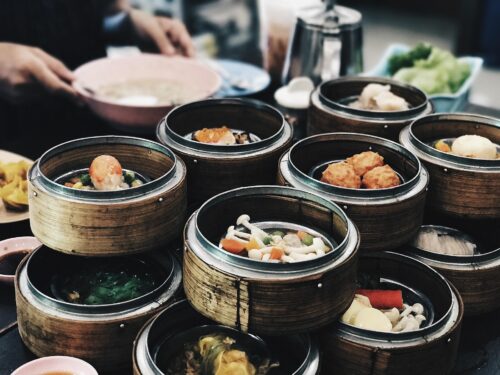 Hong Kong has always been a city of extremes – skyline ambition layered over street-level efficiency. In 2024 and beyond, this polarity is playing out in food behaviours across the workplace, hospitality, and visitor segments. It’s not just a story of recovery; it’s a story of divergence.
Office workers still seek speed, but they’re also seeking substance: value-led, culturally resonant, and healthier than what came before. The days of the one-hour corporate lunch are numbered. Ten minutes and two dishes is the new benchmark— and the best operators are finding ways to make that desirable, not just functional.
Mainland visitors bring volume, but not spend. They want recognisable food, fast service, and Instagrammable touchpoints, but rarely linger. Operators who focus purely on headcount without optimising experience risk losing both profitability and brand equity.
Meanwhile, hotels are trying to straddle this divide. The luxury tier is more confident than ever, but the mid-market is at risk of becoming forgettable. Guests don’t want generic menus, they want clarity. They don’t need grandeur, they need purpose.
Our Regional Director, Adam O’Connor adds ‘Having lived and worked in Hong Kong from 2014 to 2019, I’ve watched how fast the place changes, sometimes literally from one quarter to the next. You can’t treat the food offer here like something fixed, it has to move with the city. Space costs a fortune, people don’t hang around, and what they’re willing to spend on or pay attention to shifts faster than most operators realise.
And honestly, the ones who cope with it best are the ones who do three pretty simple things, nothing fancy:
- They make the space work for movement, people walk in, eat, get on with their day, people don’t mind a queue for something great but once engaged they expect it to move.
- They understand the local culture enough to not make a song and dance about it, just get it right, no need for any preamble
- They offer value in a way that doesn’t feel like the finance team has taken over the kitchen. Still sharp, still generous but not wasteful.’